Powertrain Readiness
Best UTV decisions start with measurable duty
“Best” is not one universal trim. UtilityTerrain Desk helps business buyers compare gasoline and electric UTV proposals against route, load, terrain, climate, utilization, replenishment, service, and destination evidence—without claiming a model is stocked, approved, or suitable before review.
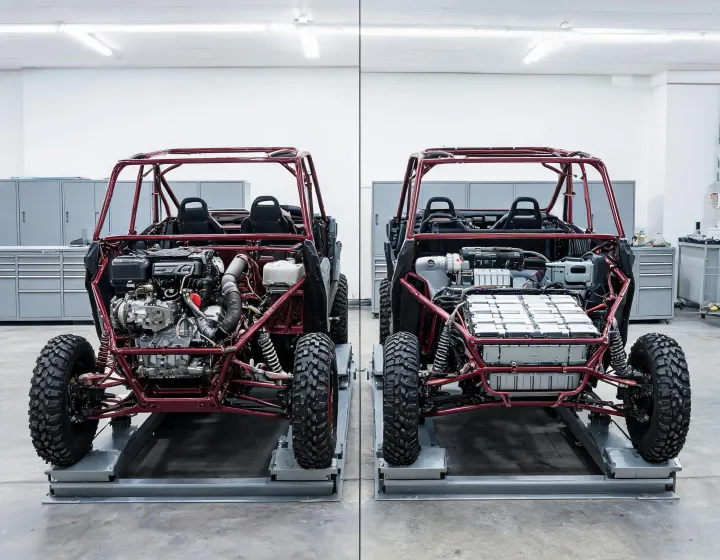
What we compare
Exact configuration, stated ratings, range or consumption basis, replenishment requirements, service records, warranty boundary, quantity, delivery scope, and evidence supplied by each candidate factory. A useful response identifies the tested vehicle, load, route, ambient conditions, instrumentation, and calculation method so the buyer can judge whether the result resembles the intended duty.
What remains conditional
Actual field performance, battery aging, fuel use, towing, payload, registration, importability, site approval, and support availability depend on the quoted model, operating conditions, destination, and responsible third parties. When practical, a sample or first-unit evaluation should repeat the buyer’s representative route and acceptance checks rather than rely only on a family-level brochure.
Comparison matrix
Test powertrain readiness across three records
Power input
For gasoline units, request engine, fueling, transmission, drivetrain, differential, cooling, emissions equipment, and altitude or temperature limitations. For electric units, request motor, nominal and usable battery energy, voltage architecture, controller, connector, onboard charging, and maximum input basis.
Duty basis
Use one passenger and cargo load, trailer duty, route distance, grade, surface, speed, ambient range, accessories, operating hours, rest window, and target reserve. Ask how each performance figure was measured or calculated; repeat the relevant route during sample or acceptance evaluation where practical.
Energy and service
Map fuel access or electrical supply, circuit and charger needs, refill or recharge time, thermal constraints, service interval, diagnostic tools, consumables, parts availability, technician documentation, and separate warranty terms for vehicle, engine, battery, charger, and accessories.
Compare UTV powertrains on your route and load
Share distance, grade, surface, passengers, cargo, towing, climate, daily hours, energy access, quantity, destination, budget basis, and required evidence.
Build the Comparison Brief